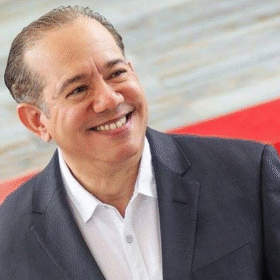
Chief Operating Officer DR
General Manager
General Manager – Consultant
Corporate Director of Operations
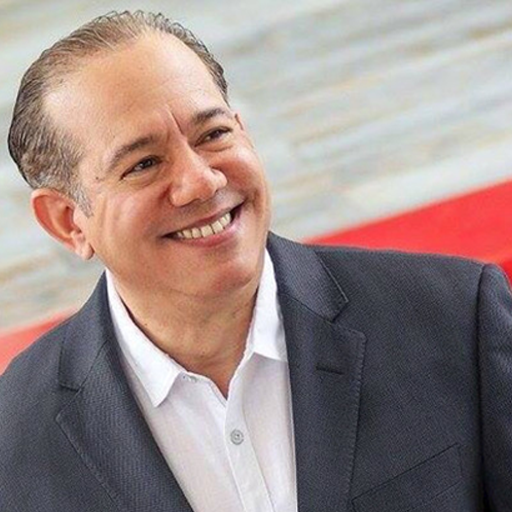
Chief Operating Officer DR
General Manager
General Manager – Consultant
Corporate Director of Operations
Por: Oscar Lora
El concepto glocal es algo que pasa en lo local e impacta en lo global. Y es que evidentemente las decisiones que toman las autoridades de turismo de un país impactarán en la manera que los turistas, tour operadores y cadenas internacionales las perciban y asimilen. Por tal razón, la reapertura de un destino en tiempos de Covid se planifica y se ejecuta de manera gradual y en diferentes fases. No es abrir todas las llaves y esperar a ver por cual tubo llegara el agua. Se debe trabajar conforme al control del manejo de la curva de la pandemia, que, dicho sea de paso, RD está en alerta 4 en los EEUU, que simplemente significa: DO NOT TRAVEL (no viaje).
Por otro lado, septiembre, octubre y noviembre pronostican ser los meses picos de la temporada ciclónica de este año para el Caribe, incluyendo la República Dominicana. Meses que previo al Covid, las ocupaciones de los hoteles en el Caribe promediaban por debajo del 60%, incluyendo aquellos hoteles que son parte de grupos de clase mundial como Sandals Resorts que ofrecía y aun ofrece seguro de viajes de huracanes. Estos seguros garantizan las noches interrumpidas por razones de impacto de huracanes en situ y las protege y acredita para ser utilizadas en una próxima estadía. Es importante señalar que este incentivo, a pesar de ser un buen atractivo (aún sin vivir esta pandemia del Covid) no era suficiente para que los hoteles llegaran a ocupaciones por encima de 60% en los meses de septiembre, octubre y noviembre por ser los meses picos de temporada ciclónica.
En adición, es importante saber que la decisión de viajar del cliente proveniente del mercado norteamericano, que representa más del 50% de participación en la RD, según las estadísticas de Travel & Leisure (antes del COVID 19), más del 75% de los clientes reservan sus vacaciones de verano al Caribe con un mínimo de 47 días de anticipación y un mínimo 69 días de antelación para sus vacaciones de invierno. En el caso del mercado europeo, estas mismas estadísticas indican que estos clientes reservan con un mínimo de seis meses de anticipación para venir al Caribe ya sea en el verano o en el invierno.
A tal efecto, a continuación, presentamos las diferentes fases que proponemos:
Fase 1: Incentivar y atraer el mercado local en algunos polos turísticos que puedan tener cordón de salud y seguridad. (Playa Dorada, por citar un ejemplo, hubiera sido un complejo excelente como plan piloto).
Se requiere crear una campaña de concienciación que llegue e involucre a toda la cadena valor para que funcione adecuadamente y se logren los resultados deseados. Es decir, crear y lanzar una campaña de concienciación para con el mercado local coordinada con las agencias de viajes a fin de que desde el momento que llaman a la agencia y a los hoteles para reservar una habitación y continúe a la llegada de los clientes al hotel, en el cual los altos ejecutivos del hotel den la bienvenida, les recuerden y supervisen y se aseguren todo el tiempo del compromiso acordado de adoptar un comportamiento de respeto hacia todos los huéspedes, los colaboradores y las facilidades del hotel y el no cumplimiento a estas medidas, conllevaría a expulsarlos del hotel sin ningún rembolso. Igualmente, se debe crear y apalancar un incentivo, tipo bono vacacional para impulsar este segmento a fin de que validen y certifiquen las instalaciones turísticas y así, ellos mismos serán los embajadores que promoverán el destino y estas instalaciones vía “word of mouth” y en todas las redes sociales.
Fase 2: Se apunta a atraer los clientes fieles y regulares internacionales (loyalty programs, clubes de vacaciones, clientes repetitivos, etc.) Se debe crear un incentivo de reconocimiento y trato preferencial para con estos clientes a la llegada a los aeropuertos y a los hoteles y establecimientos turísticos asegurando que esta experiencia sea igual o mejor que las pasadas. Estos clientes validan, certifican y sirven de embajadores promoviendo el destino y estas instalaciones turísticas vía “word of mouth” y en las redes sociales.
Fase 3: Apuntar a atraer todos los mercados internacionales y se apertura todos los polos turísticos. (Una vez la curva ha sido debidamente aplanada)
En síntesis, controlar la propagación del virus, aplanar la curva y lograr fortalecer una excelente gestión diplomática, así como también, fortalecer las relaciones internacionales, particularmente con los principales países emisores es extremadamente importante en estos momentos que el cliente ya no decide dónde quiere viajar, sino que el viaja donde las autoridades de su país le permiten viajar.
Definitivamente, hay mucho por hacer, en lo local, para que sea positivo el impacto en lo global.

In the tourism sector, local decisions become global.
By: Oscar Lora
The glocal concept is something that happens locally and impacts globally. And it is evident that the decisions made by the tourism authorities of a country will impact the way that tourists, tour operators and international chains perceive and assimilate them. For this reason, the reopening of a destination in times of Covid is planned and executed gradually and in different phases. It is not about opening all the taps and waiting to see which pipe the water will come through. It must be worked in accordance with the control of the management of the pandemic curve, which, by the way, the DR is on alert 4 in the US, which simply means: DO NOT TRAVEL.
On the other hand, September, October and November are forecast to be the peak months of this year’s hurricane season for the Caribbean, including the Dominican Republic. Months prior to Covid, hotel occupancies in the Caribbean averaged below 60%, including those hotels that are part of world-class groups such as Sandals Resorts that offered and still offer hurricane travel insurance. These insurance policies guarantee the nights interrupted due to hurricane impacts on site and protect and credit them to be used in a future stay. It is important to note that this incentive, despite being a good attraction (even without experiencing this Covid pandemic) was not enough for hotels to reach occupancies above 60% in the months of September, October and November, as they are the peak months of the hurricane season.
In addition, it is important to know that the decision to travel of the client from the North American market, which represents more than 50% of participation in the DR, according to Travel & Leisure statistics (before COVID 19), more than 75% of clients book their summer vacations to the Caribbean with a minimum of 47 days in advance and a minimum of 69 days in advance for their winter vacations. In the case of the European market, these same statistics indicate that these clients book at least six months in advance to come to the Caribbean, either in the summer or in the winter.
To this end, we present the different phases that we propose below:
Phase 1: Encourage and attract the local market in some tourist centers that may have health and safety restrictions. (Playa Dorada, to cite an example, would have been an excellent complex as a pilot plan).
It is necessary to create an awareness campaign that reaches and involves the entire value chain so that it works properly and the desired results are achieved. That is, creating and launching an awareness campaign for the local market coordinated with travel agencies so that from the moment they call the agency and the hotels to reserve a room and continues upon arrival of the clients to the hotel, in which the hotel’s senior executives welcome them, remind them and supervise and ensure at all times the agreed commitment to adopt a respectful behavior towards all guests, collaborators and hotel facilities and non-compliance with these measures would lead to expulsion from the hotel without any refund. Likewise, an incentive must be created and leveraged, such as a vacation voucher to promote this segment so that they validate and certify the tourist facilities and thus, they themselves will be the ambassadors who will promote the destination and these facilities via word of mouth and on all social networks.
Phase 2: The goal is to attract loyal and regular international customers (loyalty programs, vacation clubs, repeat customers, etc.). An incentive for recognition and preferential treatment must be created for these customers upon arrival at airports and hotels and tourist establishments, ensuring that this experience is equal to or better than those in the past. These customers validate, certify and serve as ambassadors promoting the destination and these tourist facilities via word of mouth and on social media.
Phase 3: The goal is to attract all international markets and open all tourist hubs. (Once the curve has been properly flattened)
In short, controlling the spread of the virus, flattening the curve and achieving excellent diplomatic management, as well as strengthening international relations, particularly with the main issuing countries, is extremely important at a time when customers no longer decide where they want to travel, but rather travel where the authorities of their country allow them to travel.
There is definitely a lot to be done locally to ensure a positive impact on the global level.