Chief Operating Officer DR
General Manager
General Manager – Consultant
Corporate Director of Operations
Chief Operating Officer DR
General Manager
General Manager – Consultant
Corporate Director of Operations
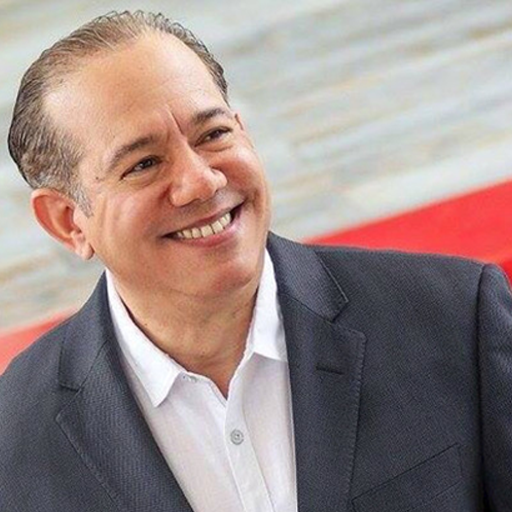
Por: Oscar Lora
Más que un escrito dejo aquí mis reflexiones y recomendaciones para el despertar de nuestro sector turístico durante y después del Covid-19.
Ahora más que nunca necesitamos más unión, solidaridad y coherencia. Tenemos que ayudarnos entre todos; buscar sinergias y colaboraciones que nos permitan salir de esta difícil situación para lograr transmitir y recuperar la confianza en el turista. Tenemos que lograr llegar al objetivo principal de que el nuevo viajero se vuelva a montar en un avión, y para lograr esta meta se precisa que actuemos dentro de un plan común que tenga un mismo fin y un mismo discurso en cada polo turístico, cada destino, cada región y a nivel global.
Si hacemos una retrospectiva y miramos el caso de Republica Dominicana, notamos que, como destino turístico, hemos estado actuando de manera reactiva y no proactiva, con las respuestas tardías y errores cometidos desde que se detectó oficialmente el primer caso de Covid en un hotel de Bayahibe, La Romana, el pasado 1ro de marzo. Pudimos notar que, desde ese momento, experimentamos un ascenso más rápido de lo esperado, pues solamente 15 días más tarde (lunes 16 de marzo) nuestras pasadas autoridades tomaron la decisión de cerrar las fronteras en todos los puertos marítimos y en todos los aeropuertos como medida de protección, colocando así un cordón de seguridad para evitar la importación de casos positivos al país.
Sin embrago, es importante señalar que desde finales de diciembre de 2019 veníamos gozando de una alta ocupación en los hoteles de todos los polos turísticos y este ritmo continuo durante el mes de febrero y hasta principio del mes de marzo, que son precisamente los meses de mayor ocupación hotelera en el país y en el Caribe.
En adición, debemos recordar que, durante esos tres primeros meses del año, muchos dominicanos ausentes visitaron nuestro país desde Europa, Canadá y Estados Unidos y más tarde se comprobó que algunos de estos trajeron consigo el virus, y el mismo se propago en las ciudades y pueblos del país hasta que finalmente se tomaran las medidas de toque de queda y otras restricciones el viernes 20 de marzo, que también incluían el uso obligatorio de mascarillas, el cuidado en la higiene personal y el distanciamiento físico de los ciudadanos.
Más adelante, evidenciamos como nuestras pasadas autoridades se vanagloriaron del supuesto eficiente manejo y control de la propagación del virus, así como también, de la baja letalidad de casos producidos. Posteriormente, vimos que este mensaje provoco un aumento de casos de contagios de manera exponencial justo en víspera de las elecciones presidenciales, y a pesar de esta situación, el miércoles 1ro de julio se levantaron las restricciones de vuelos en los aeropuertos y abrimos el turismo al mundo en todos los polos turísticos, habiendo dado a conocer, apenas, ese mismo día, los protocolos oficiales avalados por MITUR, pero sin haber capacitado y entrenado al personal que ejecutaría estos protocolos, y al mismo tiempo que todos los partidos políticos estaban en las calles haciendo marchas proselitistas y caravanas, y llamando al pueblo al agrupamiento en masa, todo esto actuando en contra de las medidas adecuadas de mitigación de la propagación del virus. Cuatro días más tarde, se celebraron las elecciones y así mismo continuaron los contagios, llegando al día 6 de julio donde se produjeron las celebraciones de victoria por el partido ganador, creando así más aglomeración de personas y por ende, más contagios y propagación del virus.
El pasado 16 de agosto se produce el cambio de mando, incluyendo un cambio del gabinete, ministro e integrantes del ministerio de turismo. Se lanza un plan de relanzamiento y recuperación del turismo exclusivamente para el mercado internacional a fin de que estos turistas visiten los hoteles del país. Se cambia la estrategia de chequeo y detención, determinando que ya no se requiere presentar certificado negativo del virus ni tampoco era necesario hacer pruebas PCR en los aeropuertos para entrar al país, y a su vez, se otorga un seguro de viajes a todos los turistas que visiten la RD a partir del 1ro de octubre y hasta el 31 de diciembre de 2020.
Mas adelante, en el mismo mes de septiembre, se produce la segunda rueda de prensa del ministerio de turismo y del presidente Luis Abinader donde el mismo comando en jefe hace un llamado a los hoteleros para abrir todos los hoteles el 1ro de octubre. Al final del mismo mes, se produce la 3ra rueda de prensa en la cual se lanza un plan de recuperación y de incentivo al turismo interno para con los hoteles del país, y de manera simultánea, evidenciamos el llamado que hicieran desde el ministerio de salud pública de cerrar las playas en algunos polos turísticos del país.
En consecuencia, la reapertura de un destino en tiempos de Covid implicaría:
- Planificar y ejecutar de manera gradual y en diferentes fases conforme al control del manejo de la curva de la pandemia, dentro de un plan de reapertura coherente que genere confianza a todos los niveles, incluyendo los países emisores y que esté enfocada en garantizar la salud y la seguridad de los visitantes tanto locales como internacionales.
- Precisar unión, solidaridad y coherencia entre los ministerios de educación, salud pública, turismo, defensa y relaciones exteriores.
- El ministerio de salud y el ministerio de educación deben lanzar un plan de concienciación para reducir la propagación del virus que invite a formar grupos de supervisores (juntas de vecinos). Salud pública y turismo irán de la mano (uña y dedo) en la puesta en marcha de todos los planes de reapertura y recuperación del sector turismo.
- Cada Hotel y/o un establecimiento turístico debe ostentar una licencia o sello sanitario “Covid Safe” debidamente autorizado por ambos ministerios y, por otro lado, el canciller y el ministerio de relaciones exteriores sirvan de portavoz de las acciones y logros que se han alcanzados en el manejo de la pandemia y aplanamiento de la curva.
- A tal efecto, se debió haber iniciado recibiendo el mercado local, pero no en todos los polos turísticos ni tampoco en todas las propiedades cómo se ha estado haciendo. Se debieron haber designado “corredores turísticos seguros” por área, sustentados con sellos de certificación sanitaria, conformado por hoteles pequeños (menos de 100 habitaciones) que hayan debidamente modificado sus estructuras y sus operaciones post Covid, incluyendo las operaciones de alimentos y bebidas que ofrezcan opciones de menú a la carte y buffet basado en “show cooking” (minutas) sin autoservicios.
- Estas certificaciones sanitarias incluyen un sello o etiqueta colocado en la entrada de cada región y propiedad certificada como forma de garantizarle al cliente que tanto la región como el hotel o alojamiento turístico han sido debidamente certificadas “Covid Safe” por el Ministerio de Salud Pública, así como también, por el Ministerio de Turismo de la Republica Dominicana.
- En ese sentido, se escoge una primera región como plan piloto que incluya estos hoteles pequeños (menos de 100 habs), recintos de villas y apartamentos en complejos cerrados y alrededor de entornos naturales donde encuentren estos alojamientos que les permitan huir de grandes aglomeraciones y así seguir gradualmente abriendo hasta pasar a otras propiedades más grandes (siempre controlando los aforos que no pasen del 40% de la capacidad de cada propiedad) de la misma región.
- En otro orden, debido al alto costo energético que impactan los hoteles y más cuando están operativamente abiertos para recibir clientes, el gobierno dominicano debió haber llegado a acuerdos con estas empresas proveedoras de energía eléctricas privadas que tienen concesión exclusivas, así como también, empresas de telecomunicaciones, y empresas proveedoras de agua potable a fin de reducir los precios contratados mientras continúe esta situación y con estos incentivos motivaran a los propietarios y hoteleros a abrir sus hoteles.
- Y por otro lado, se requiere crear en un marco de competencia sana, un nuevo galardón para seleccionar el hotel del país que mejor aplica y ejecuta los protocolos oficiales. Estas evaluaciones se harían a través de auditorias llevada a cabo por el empresas expertas internacionales, .
Es importante señalar que para poder trabajar de manera eficiente y lograr los resultados deseados con el mercado local se requiere:
- Crear una campaña de concienciación que llegue e involucre a toda la cadena valor. Es decir, crear y lanzar en coordinación con las agencias de viajes, una campaña de concienciación para el mercado local. Este proceso debe empezar desde el momento que el cliente llama a la agencia o al hotel para reservar una habitación; y así mismo continua, una vez llega al hotel, donde será recibido por los altos ejecutivos quienes le darán la bienvenida y le recordaran que adquirieron un compromiso de comportamiento respetuoso con el resto de huéspedes, empleados, colaboradores y con las facilidades del hotel.
- Igualmente, el personal del hotel debe asegurarse de supervisar que todos los clientes (huéspedes) cumplan con dicho compromiso y apuntar que el no cumplimiento del mismo conllevaría a expulsarlos del hotel sin ningún reembolso.
- En adición, se debe crear y apalancar un incentivo, tipo bono vacacional, para impulsar este segmento a fin de que validen y certifiquen las instalaciones turísticas y, así, ellos mismos sean los embajadores que promoverán el destino y estas instalaciones vía boca a boca y en todas las redes sociales.
Por otro lado, vale señalar que los hoteleros tienen a su vez que garantizar que bajo ninguna circunstancia las tarifas especiales afectarán la calidad y el servicio de sus productos hoteleros y, por consiguiente, la experiencia que el cliente experimentará tiene y debe ser igual o superior a la que ofrecían antes del Covid-19. A tal efecto, la calidad del producto y los servicios de primera deben mantenerse independientemente de las tarifas ofertadas, puesto que debe cumplir y exceder las expectativas que traen los clientes antes de llegar al hotel. No podemos olvidar que estamos en los tiempos en los cuales el cliente antepone la salud, la seguridad y la calidad al precio.
Luego se continuaría con la apertura de otras áreas con otras propiedades, y, por consiguiente, a la próxima fase que incluiría el mercado internacional, tomando en consideración:
- En principio, apuntando a los clientes regulares, procedentes de destinos no más de 4 horas de vuelo (Estados Unidos, Canada, etc.) que son parte de “loyalty programs”, clubes de vacaciones, y clientes repetitivos, que, si tenemos data en MITUR, estamos convencidos que estos segmentos representan más de 10 millones de clientes cautivos que hemos recibido en los últimos 10 años.
- Para estos segmentos se realizaría una campaña de promoción exclusiva para atraerlos a visitar de nuevo RD y las propiedades que ya conocen por sus visitas anteriores extendiendo así un reconocimiento desde que lleguen al aeropuerto y un incentivo de tarifa preferencial y valor agregado que impulse a motivarles a hacerse acompañar por sus familiares y amigos que visiten el país por primera vez.
- Tal como propusimos con el manejo del mercado local, con estos clientes extranjeros, debemos asegurarnos de alcanzar y exceder sus expectativas en esta nueva experiencia Post Covid, pues el objetivo y meta es que sigan siendo los embajadores y promotores del destino Republica Dominicana.
En síntesis, controlar la propagación del virus, aplanar la curva, ofrecer una experiencia memorable y de calidad al mercado local y a los clientes regulares internacionales y lograr fortalecer una excelente gestión diplomática, así como también, capitalizar las relaciones internacionales, particularmente con los principales países emisores seria extremadamente importante en estos momentos que el cliente ya no decide dónde quiere viajar, sino que él viaja donde las autoridades de su país se lo permitan.

By: Oscar Lora
The challenges of the tourism sector in the Dominican Republic in times of pandemic.
More than a writing, I leave here my reflections and recommendations for the awakening of our tourism sector during and after Covid-19. Now more than ever we need more unity, solidarity and coherence. We have to help each other; look for synergies and collaborations that allow us to get out of this difficult situation to transmit and regain confidence in the tourist. We have to achieve the main objective of getting the new traveler back on a plane, and to achieve this goal we need to act within a common plan that has the same purpose and the same discourse in each tourist center, each destination, each region and globally.
If we look back and look at the case of the Dominican Republic, we notice that, as a tourist destination, we have been acting re actively and not proactively, with late responses and mistakes made since the first case of Covid was officially detected in a hotel in Bayahibe, La Romana, on March 1. We were able to notice that, from that moment on, we experienced a faster rise than expected, since only 15 days later (Monday, March 16) our former authorities made the decision to close the borders at all seaports and at all airports as a protective measure, thus placing a security cordon to prevent the importation of positive cases into the country.
However, it is important to note that since the end of December 2019 we had been enjoying high occupancy in hotels in all tourist centers and this pace continued during the month of February and until the beginning of March, which are precisely the months of highest hotel occupancy in the country and in the Caribbean.
In addition, we must remember that, during those first three months of the year, many absent Dominicans visited our country from Europe, Canada and the United States and later it was proven that some of them brought the virus with them, and it spread in the cities and towns of the country until finally the curfew measures and other restrictions were taken on Friday, March 20, which also included the mandatory use of masks, care in personal hygiene and physical distancing of citizens. Later, we see how our former authorities boasted of the supposedly efficient management and control of the spread of the virus, as well as the low lethality of cases produced.
Later, we saw that this message caused an exponential increase in cases of contagion just on the eve of the presidential elections, and despite this situation, on Wednesday, July 1, flight restrictions were lifted at airports and we opened tourism to the world in all tourist centers, having announced, only that same day, the official protocols endorsed by MITUR, but without having trained and trained the personnel who would execute these protocols, and at the same time that all political parties were in the streets doing proselytizing marches and caravans, and calling on the people to gather en masse, all this acting against the appropriate measures to mitigate the spread of the virus.
Four days later, the elections were held and the infections continued, reaching July 6 when the victory celebrations for the winning party took place, thus creating more crowding of people and therefore, more infections and spread of the virus. On August 16, the change of command took place, including a change of the cabinet, minister, and members of the Ministry of Tourism. A plan to relaunch and recover tourism was launched exclusively for the international market so that these tourists would visit the country’s hotels.
The screening and detention strategy was changed, determining that it was no longer necessary to present a negative certificate of the virus nor was it necessary to do PCR tests at airports to enter the country, and in turn, travel insurance was granted to all tourists who visit the DR from October 1 to December 31, 2020.
Later, in the same month of September, the second press conference of the Ministry of Tourism and President Luis Abinader took place, where the same commander-in-chief called on hoteliers to open all hotels on October 1. At the end of the same month, the 3rd press conference was held in which a recovery plan and an incentive for domestic tourism for the country’s hotels was launched, and at the same time, we witnessed the call made by the Ministry of Public Health to close the beaches in some tourist centers of the country.
Consequently, the reopening of a destination in times of Covid would imply: • Planning and executing gradually and in different phases
It is in accordance with the control of the management of the pandemic curve, within a coherent reopening plan that generates confidence at all levels, including the issuing countries and that is focused on guaranteeing the health and safety of both local and international visitors.
• Require union, solidarity and coherence between the ministries of education, public health, tourism, defense and foreign affairs.
• The ministry of health and the ministry of education must launch an awareness plan to reduce the spread of the virus that invites the formation of supervisory groups (neighborhood councils). Public health and tourism will go hand in hand (nail and finger) in the implementation of all reopening and recovery plans for the tourism sector.
• Each hotel and/or tourist establishment must have a “Covid Safe” license or health seal duly authorized by both ministries and, on the other hand, the chancellor and the ministry of foreign affairs serve as spokespersons for the actions and achievements that have been achieved in managing the pandemic and flattening the curve.
• To this end, the local market should have been received, but not in all tourist centers or in all properties as has been done. “Safe tourist corridors” should have been designated by area, supported by health certification seals, made up of small hotels (less than 100 rooms) that have duly modified their structures and operations post Covid, including food and beverage operations that offer a la carte menu options and buffets based on “show cooking” (minutes) without self-service.
• These health certifications include a seal or label placed at the entrance of each certified region and property as a way of guaranteeing the client that both the region and the hotel or tourist accommodation have been duly certified “Covid Safe” by the Ministry of Public Health, as well as by the Ministry of Tourism of the Dominican Republic.
• In this sense, a first region is chosen as a pilot plan that includes these small hotels (less than 100 rooms), villas and apartments in closed complexes and around natural environments where they find these accommodations that allow them to escape large crowds and thus gradually continue opening until moving on to other larger properties (always controlling the capacity so that they do not exceed 40% of the capacity of each property) in the same region.
• In another order, due to the high energy cost that impacts hotels and more so when they are operationally open to receive clients, the Dominican government should have reached agreements with these private electric power supply companies that have exclusive concessions, as well as telecommunications companies, and drinking water supply companies in order to reduce the contracted prices while this situation continues and with these incentives they would motivate owners and hoteliers to open their hotels.
• On the other hand, it is necessary to create a new award in a framework of healthy competition to select the hotel in the country that best applies and executes the official protocols. These evaluations would be done through audits carried out by international expert companies. It is important to note that in order to work efficiently and achieve the desired results with the local market, it is necessary to:
• Create an awareness campaign that reaches and involves the entire value chain. That is, create and launch, in coordination with travel agencies, an awareness campaign for the local market. This process must begin from the moment the client calls the agency or the hotel to reserve a room; and it continues likewise, once he arrives at the hotel, where he will be received by senior executives who will welcome him and remind him that he has made a commitment to respectful behavior with the other guests, employees, collaborators and with the hotel facilities.
• Likewise, hotel staff must ensure that all clients (guests) comply with this commitment and point out that failure to comply with it would lead to their expulsion from the hotel without any refund.
• In addition, an incentive, such as a vacation voucher, must be created and leveraged to promote this segment so that they validate and certify the tourist facilities and, thus, they themselves become the ambassadors who will promote the destination and these facilities via word of mouth and on all social networks.
On the other hand, it is worth noting that hoteliers must also guarantee that under no circumstances will the special rates affect the quality and service of their hotel products and, consequently, the experience that the client will experience has and must be equal to or superior to what they offered before Covid-19. To this end,
The quality of the product and the first-class services must be maintained regardless of the rates offered, since it must meet and exceed the expectations that customers bring before arriving at the hotel. We cannot forget that we are in times in which the customer puts health, safety and quality before price.
Then we would continue with the opening of other areas with other properties, and, consequently, to the next phase that would include the international market, taking into consideration:
1. In principle, targeting regular customers, from destinations no more than 4 hours away by flight (United States, Canada, etc.) who are part of “loyalty programs”, vacation clubs, and repeat customers, who, if we have data at MITUR, we are convinced that these segments represent more than 10 million captive customers that we have received in the last 10 years.
2. For these segments, an exclusive promotional campaign would be carried out to attract them to visit the DR again and the properties they already know from their previous visits, thus extending recognition from the moment they arrive at the airport and an incentive of preferential rate and added value that encourages them to be accompanied by their family and friends who visit the country for the first time.
3. As we proposed with the management of the local market, with these foreign clients, we must ensure that we meet and exceed their expectations in this new Post Covid experience, since the objective and goal is that they continue to be the ambassadors and promoters of the Dominican Republic destination.
In short, controlling the spread of the virus, flattening the curve, offering a memorable and quality experience to the local market and regular international clients and achieving the strengthening of excellent diplomatic management, as well as capitalizing on international relations, particularly with the main issuing countries, would be extremely important at this time when the client no longer decides where he wants to travel, but rather he travels where the authorities of his country allow him to.